Corrective Jaw
Surgery
Align. Restore. Breathe Easier.
Corrective jaw surgery, or orthognathic surgery, repositions the upper jaw, lower jaw or chin when the bite cannot be corrected by braces alone — improving how you chew, speak and breathe.
Request a Consultation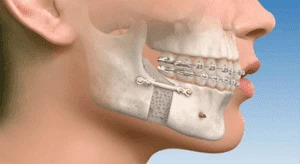
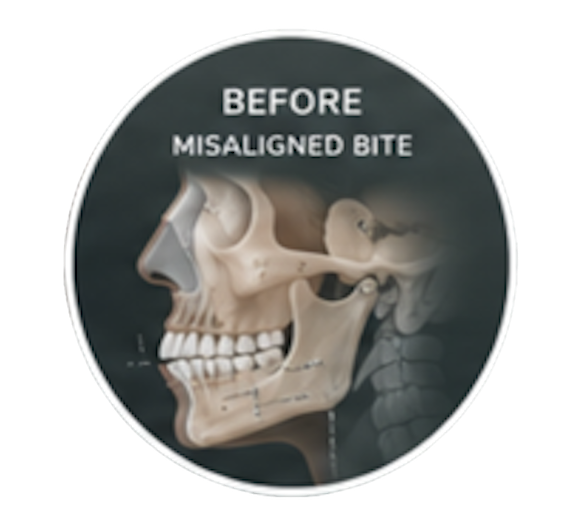
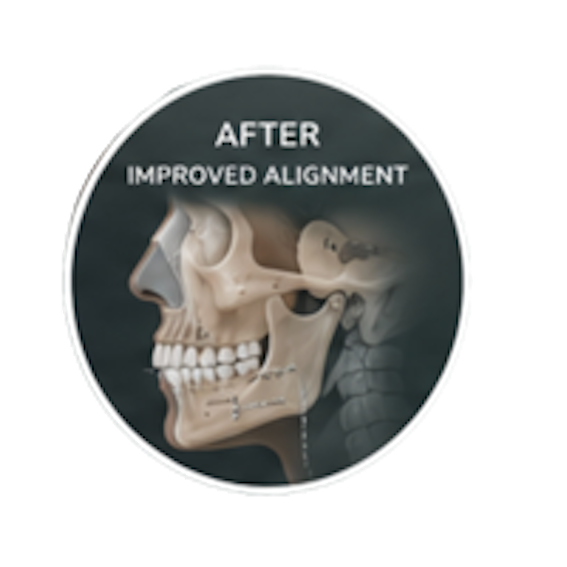
Bite Correction
Treats underbites, overbites, crossbites and open bites.
Facial Balance
Jaw and chin position are planned together with the bite.
Airway Support
May address skeletal factors behind obstructive sleep apnea.
3D Planning
CBCT imaging and virtual surgical planning before the day.
Corrective Jaw Surgery in White Plains & Waldorf, MD
Braces move teeth. They cannot move the bones the teeth sit in. When the upper and lower jaws are different sizes, or one sits too far forward, too far back, or off to one side, orthodontics alone can only camouflage the problem — and often at the cost of tipping teeth into positions that are hard to maintain. Corrective jaw surgery, known clinically as orthognathic surgery, addresses the skeleton itself. The jaws are separated with precise, planned bone cuts, moved into a position where the teeth meet properly, and held there with small titanium plates and screws while the bone heals.
At Charles County Surgical Arts, Dr. Ryan Look and Dr. John McElveen are board-certified oral and maxillofacial surgeons who plan these cases in three dimensions before a single incision is made. Patients travel to our White Plains office from across Charles County — including Waldorf, La Plata and Brandywine — as well as from St. Mary's and Calvert counties. Jaw surgery is a functional operation first: it is performed to help people chew, close their lips comfortably, speak clearly and, in selected cases of obstructive sleep apnea, breathe more freely at night. Changes to the profile are a genuine and welcome part of the result, but they follow from the functional plan rather than driving it.
Signs You May Benefit From Jaw Surgery
An orthodontist or general dentist usually raises the possibility first. These are the findings that most often lead to a referral:
- Difficulty chewing or biting: Food is hard to break down, you avoid certain foods, or only a few teeth make contact when you close.
- An open bite: The front teeth do not meet even when the back teeth are closed, so biting into a sandwich is awkward.
- A pronounced underbite or overbite: The lower jaw sits clearly ahead of or well behind the upper jaw, beyond what braces can compensate for.
- Facial asymmetry: The chin or dental midline deviates to one side, or one side of the face looks longer than the other.
- Lip strain: The lips only close with visible effort, or the mouth rests open because of the jaw relationship.
- Breathing and sleep symptoms: Snoring, mouth breathing or diagnosed obstructive sleep apnea in a patient with a recessive lower jaw or narrow airway.
Are You a Candidate, and How We Work With Your Orthodontist
Jaw surgery is generally reserved for patients whose facial growth is complete — typically around 16 for girls and 18 for boys, confirmed with imaging where there is doubt. Beyond that, there is no upper age limit; healthy adults in their thirties, forties and beyond are treated routinely. What matters more than age is general health, gum and dental health, non-smoking status during healing, and a clear understanding of a treatment plan that is measured in months rather than weeks.
Almost every case is a partnership. Your orthodontist aligns and levels the teeth within each jaw first, so that the arches fit together once the bones are moved. We then take a CBCT scan and digital scans of the teeth, build a virtual model of your skull, and plan the movements millimeter by millimeter before printing surgical splints or guides. Your orthodontist, your surgeon and you review the same plan and agree the goals before a date is set. If your bite can be corrected acceptably with orthodontics alone, or with more conservative treatment, we will say so at the consultation.
Types of Corrective Jaw Surgery
"Jaw surgery" is not one operation. The procedure — or combination of procedures — is chosen from your scans, your bite and what you need the result to do. Almost all of these are performed through incisions inside the mouth, so there is no visible facial scar.
The Treatment Journey, Step by Step
Orthognathic treatment is a project, not an appointment. Most patients are in active treatment for roughly two to three years, and the great majority of that time is orthodontics rather than surgery. Timelines vary with the individual case.
Consultation and 3D Planning
Examination, photographs, a CBCT scan and digital models of your teeth. We build a virtual reconstruction of your jaws, simulate the movements and share the plan with your orthodontist. You will see what is proposed and why before you commit to anything.
Pre-Surgical Orthodontics
Braces align and level the teeth within each arch so the bite will fit together after the bones move. Be prepared for the bite to look worse before it looks better — that is expected, because the teeth are being decompensated rather than camouflaged.
The Operation and Hospital Stay
Surgery is performed under general anesthesia in the hospital, usually taking two to four hours depending on how many jaws are moved. The bones are fixed with titanium plates and screws, which stay in place permanently and are not felt. Most patients stay one to two nights.
Recovery at Home
Swelling peaks in the first week and settles substantially over the next month. A liquid diet moves to soft foods, light elastics guide the bite, and numbness of the lip or chin is common early on and usually improves over weeks to months. Most people return to work or school around week three or four.
Post-Surgical Orthodontics and Retention
Your orthodontist settles the bite into its final position, then braces come off and retainers go in. Bone healing continues quietly in the background, and swelling of the soft tissues can take up to a year to fully resolve.
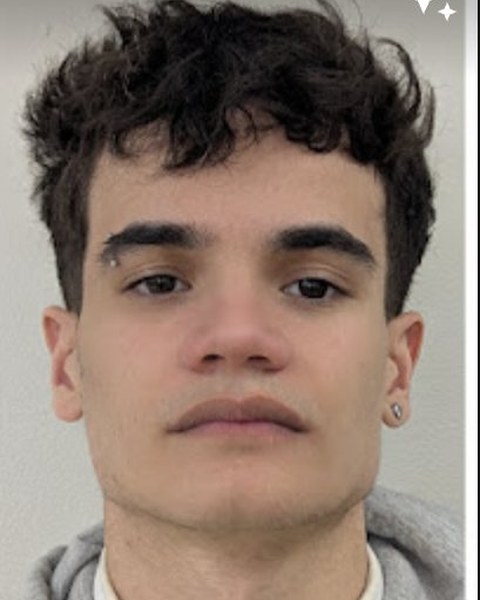
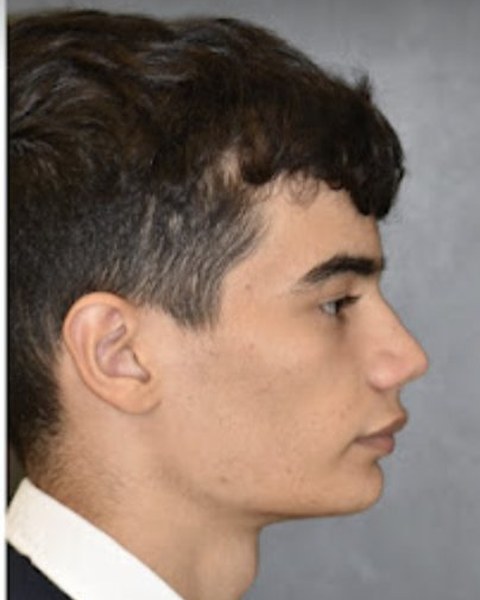
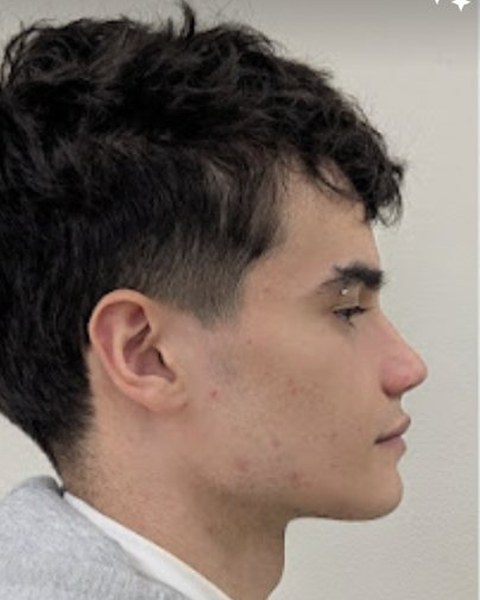
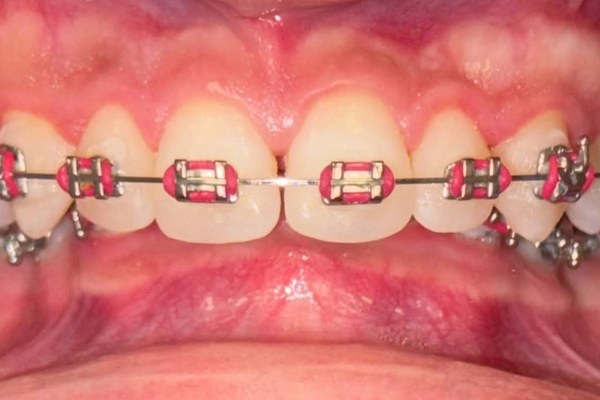
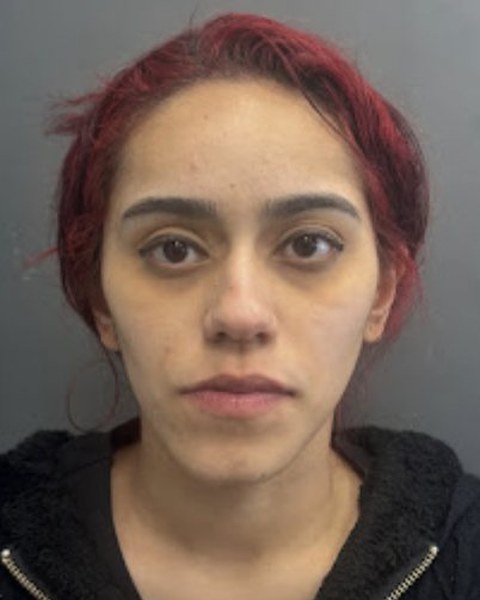
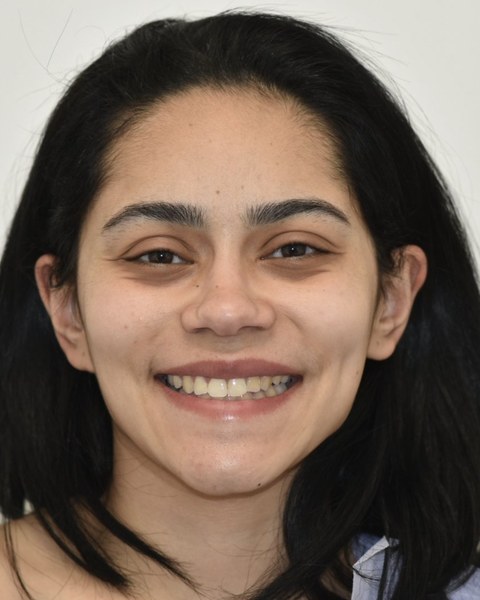
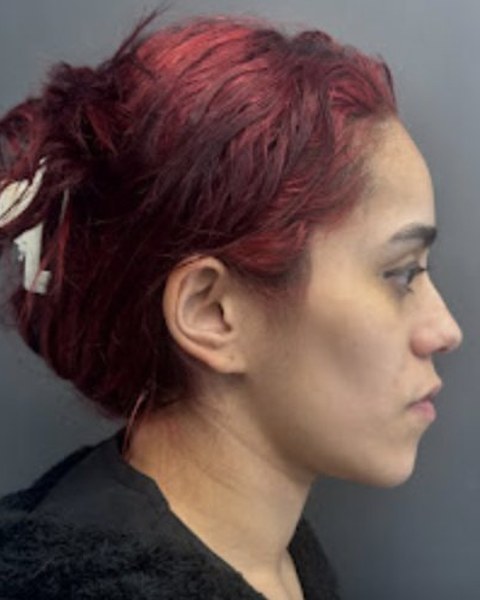
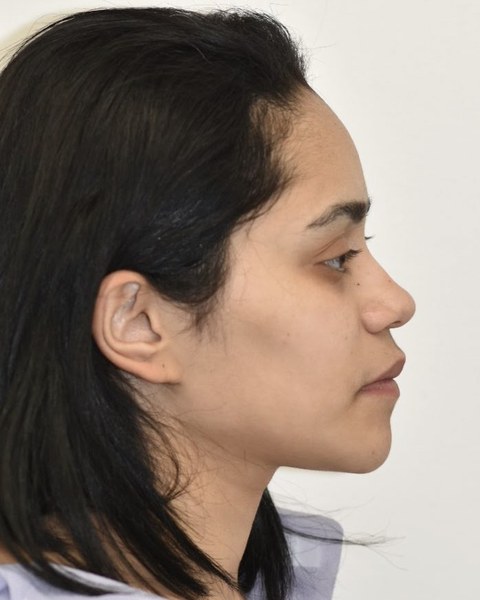
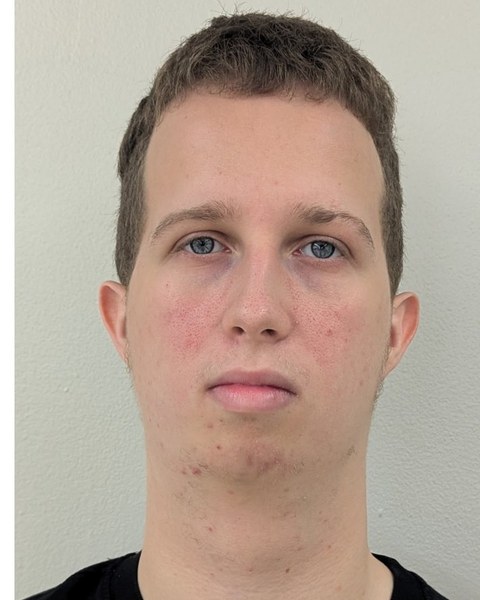
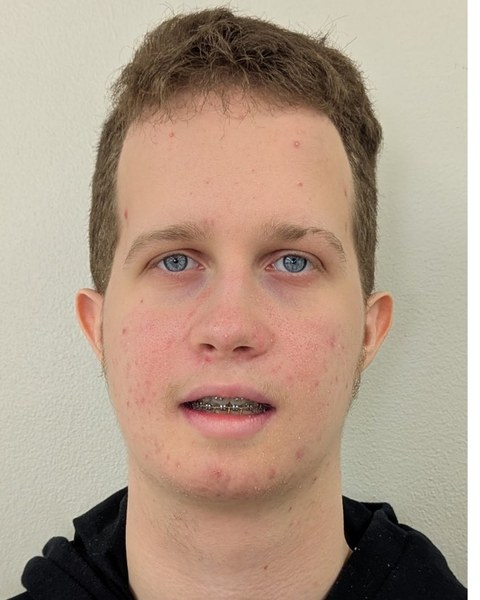
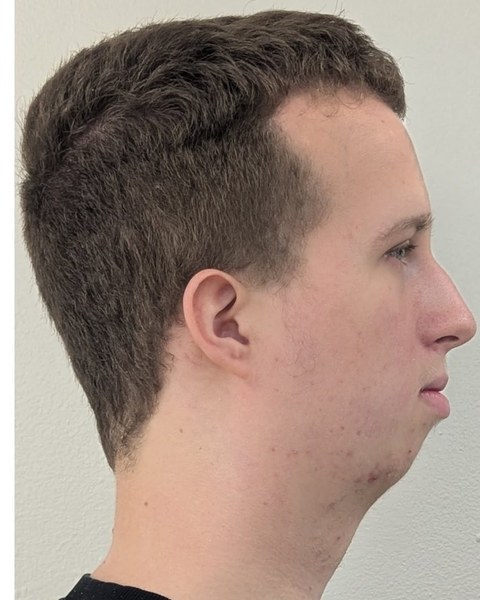
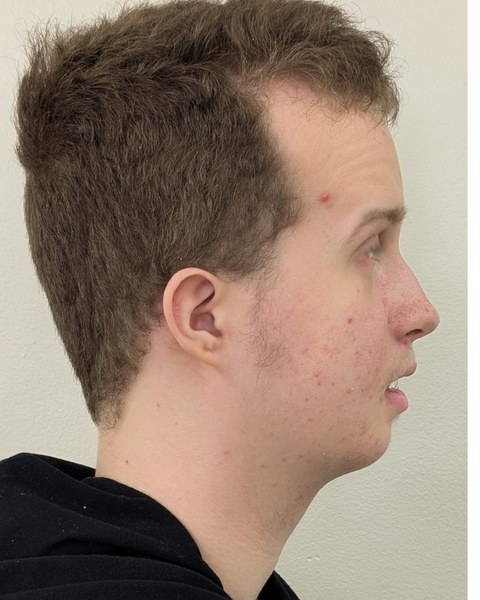
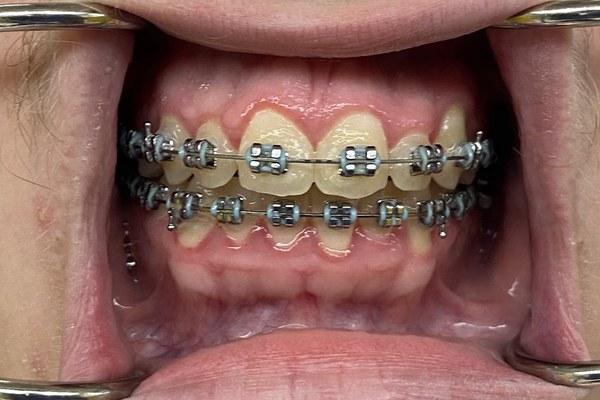
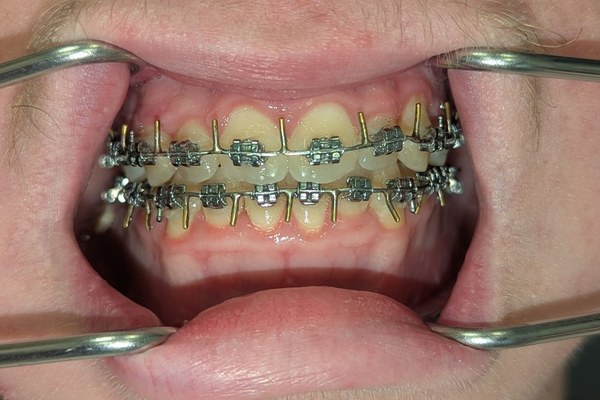
Corrective Jaw Surgery: Before & After
Real orthognathic surgery results from our White Plains, MD practice—shown side by side across frontal, profile, and intraoral views. Photos are shared with patient consent.
Class III Underbite Correction
Improved jaw position, facial profile, and bite alignment.
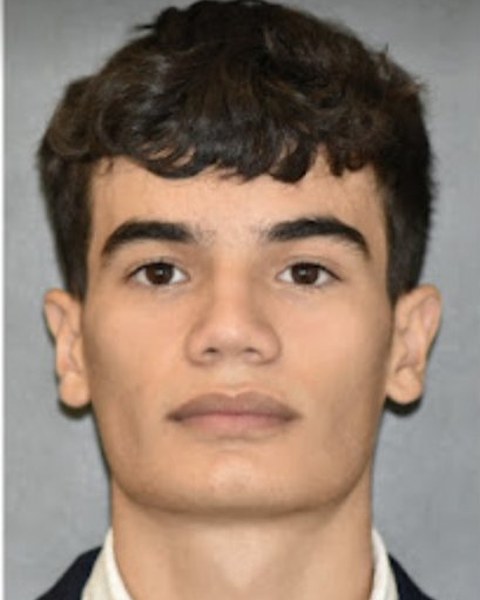
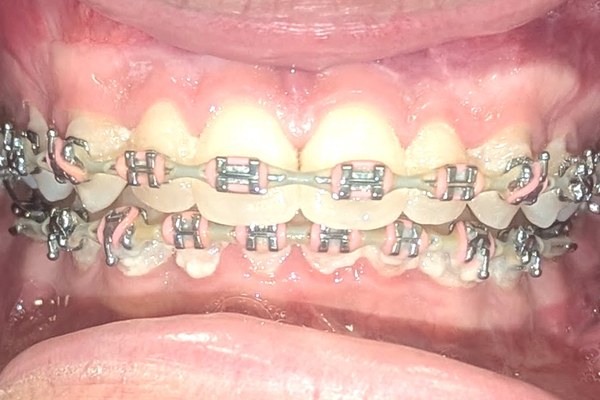
Two-Jaw Surgery for a Recessive Lower Jaw
Enhanced facial balance, profile, and smile.
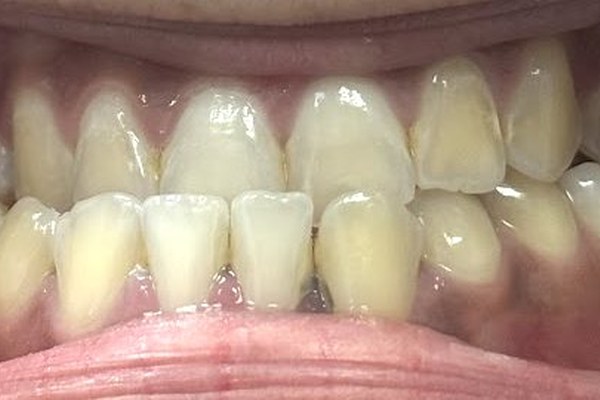
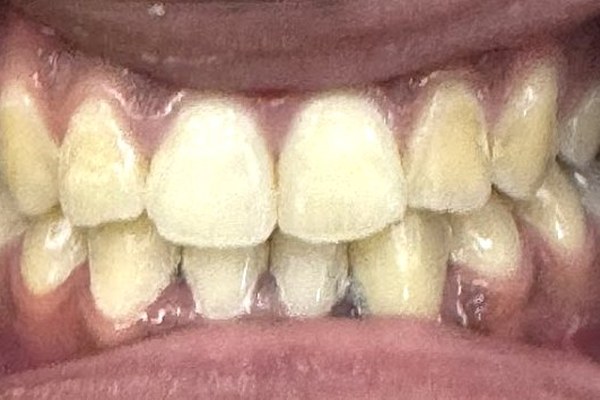
Anterior Open Bite Correction
Corrected bite with improved facial harmony.
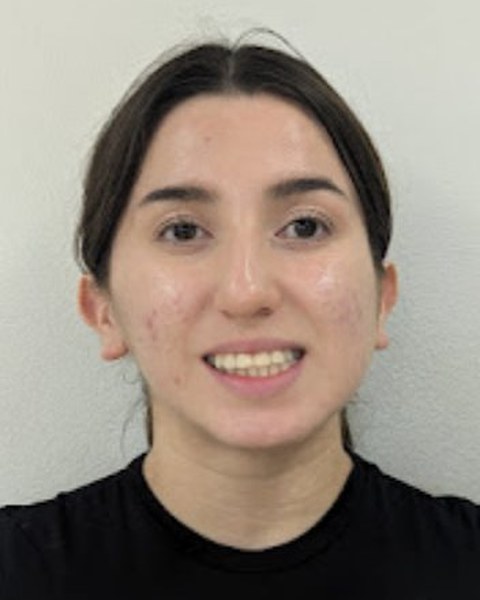

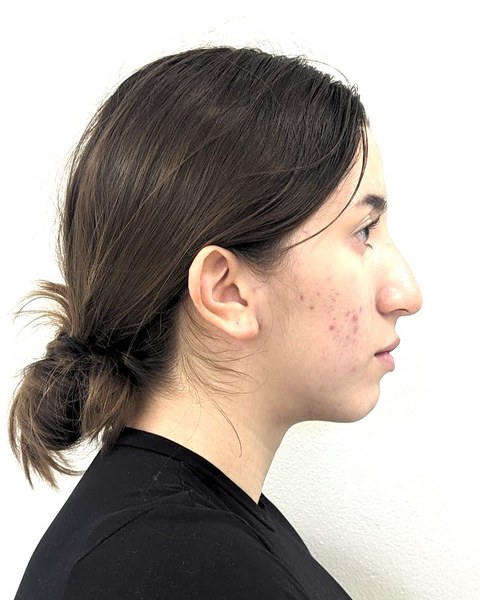
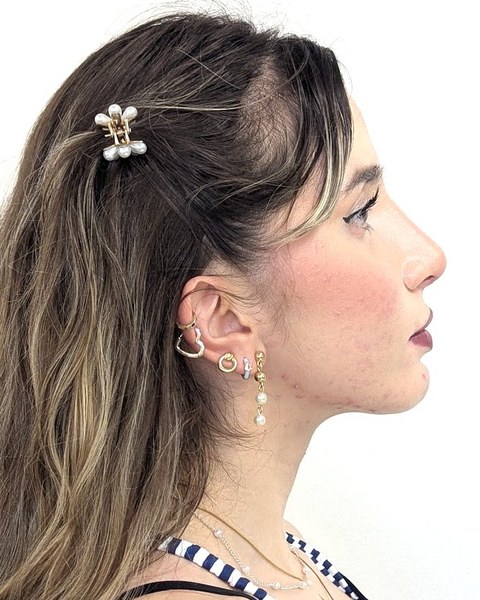
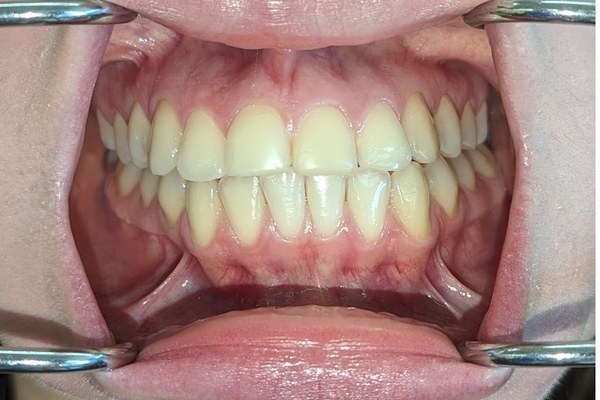
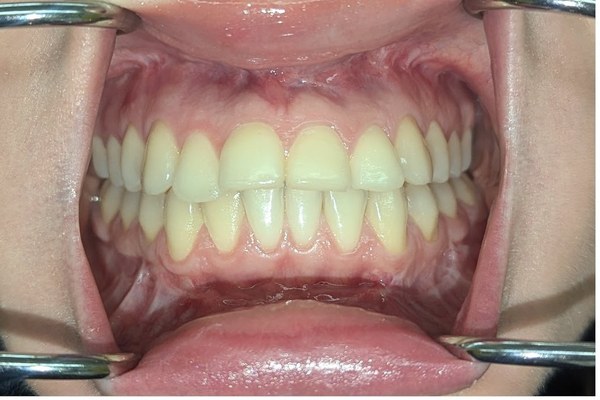
Combined Orthodontics and Jaw Surgery
Bite correction and a confident new smile.
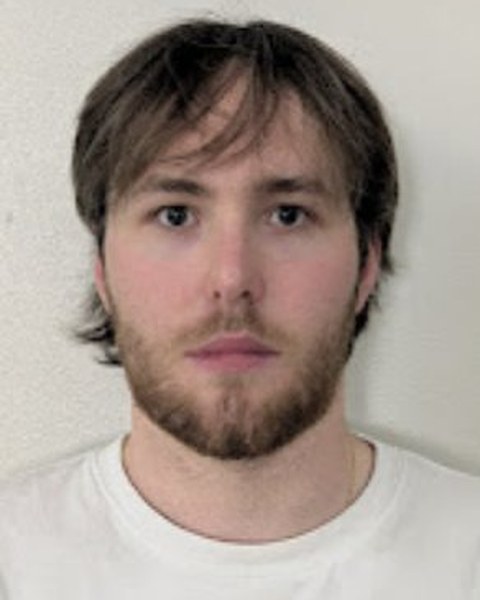
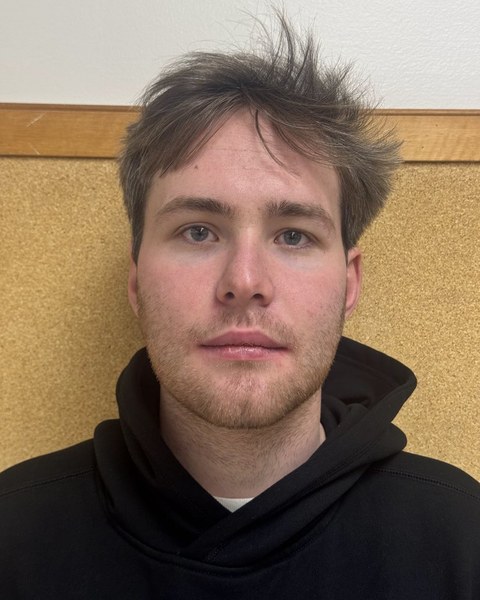
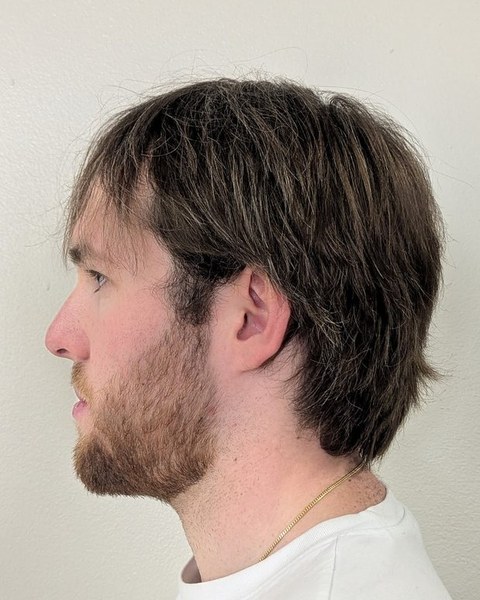
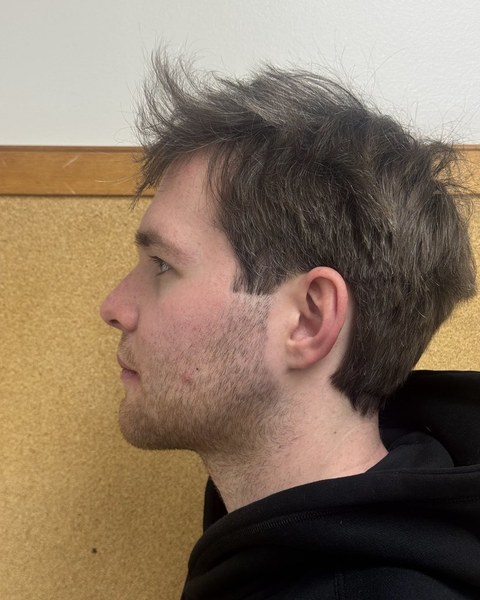
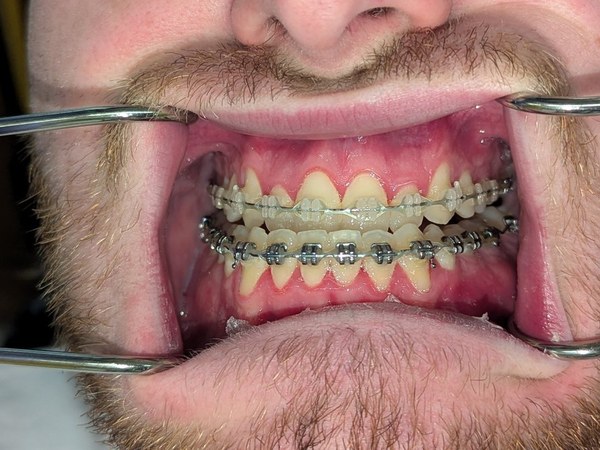
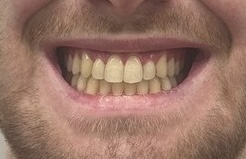
Facial Asymmetry and Bite Correction
Balanced profile and a properly aligned bite.
Benefits, Risks and How We Manage Them
Orthognathic surgery is well established and predictable in experienced hands, but it is major surgery on the facial skeleton. An honest account of both sides is part of informed consent.
What patients typically gain
- Functional chewing across the whole arch instead of on a few contacting teeth.
- A stable bite that protects the orthodontic result and spreads load evenly across the teeth.
- Comfortable lip closure and, for many, easier nasal breathing and clearer speech.
- Improved facial balance, since the profile and chin position change with the underlying bone.
- Airway benefit in selected patients whose obstructive sleep apnea has a skeletal component.
Risks, and how we lower them
- Altered sensation of the lip, chin or upper gum is expected early after lower-jaw surgery. It improves for most patients over weeks to months, but can persist in a minority. CBCT planning lets us map the nerve canal before we cut.
- Swelling, bruising and jaw stiffness are managed with medication, ice, elevation and a graded return to normal opening.
- Infection or hardware irritation is uncommon; antibiotics and, rarely, later plate removal resolve it.
- Relapse or a small residual bite discrepancy is reduced by rigid titanium fixation, guiding elastics and finishing orthodontics with retainers.
- Anesthetic and medical risk is assessed with pre-operative clearance, and surgery is carried out in a hospital setting.
Cost, Insurance and Financing
The single most useful thing to know is that corrective jaw surgery is frequently billed to medical insurance rather than dental insurance, because it is usually performed for a functional reason — chewing impairment, a skeletal deformity or an airway problem — rather than for appearance. Coverage still depends on your plan and on the documentation submitted, so we do that work up front.
- We pursue medical pre-authorization with your records, imaging and cephalometric findings before a surgery date is booked.
- Orthodontic treatment is billed separately by your orthodontist and is usually covered, if at all, under dental benefits.
- Hospital and anesthesia fees are billed by the facility, so we help you anticipate every part of the total, not just the surgical fee.
- You receive a written estimate before treatment, and financing is available through CareCredit, Cherry, Proceed Finance and Sunbit.
Corrective Jaw Surgery Serving White Plains & Southern Maryland
Our White Plains office sits in the heart of Charles County, just off Route 301, with easy access from Route 5 and Route 228. Most patients reach us in under 30 minutes.
White Plains, MD
4185 Altamont Pl, just off Route 301. Free parking and wheelchair-accessible facilities at our home office.
Waldorf, MD
Just a 10-minute drive north on Route 301. See our Waldorf services.
La Plata, MD
Under 15 minutes via Route 301 south. See our La Plata services.
Brandywine, MD
A short drive north on Route 301. Learn more.
Charles County
Serving Hughesville, Indian Head, Bryans Road, Port Tobacco, and surrounding communities. All areas we serve.
St. Mary's & Calvert
Patients from Leonardtown, Prince Frederick, and across Southern Maryland. Leonardtown · Prince Frederick.
Corrective Jaw Surgery FAQs
What our White Plains and Waldorf patients ask before committing to orthognathic treatment.
Talk It Through Before You Decide
A consultation costs you an hour and gives you a clear picture of what your jaws are actually doing. Call (301) 818-5598 or request a time online, Monday to Friday, 8:00 AM–4:00 PM.
Schedule Your Consultation